English
 Egyptian pound
 US dollar

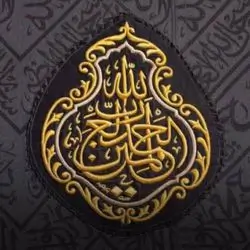
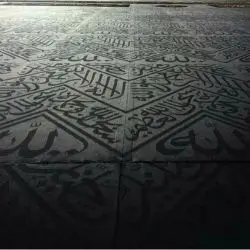
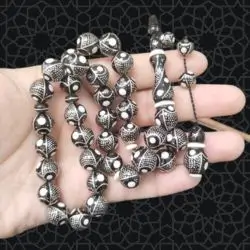
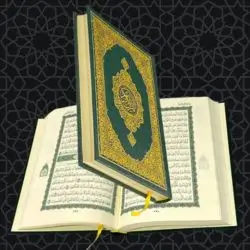
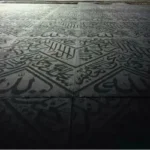
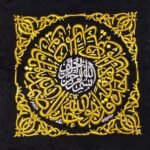 Al-Samadiyah
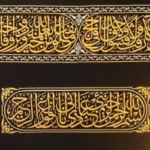 belt
belt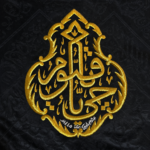 lanterns
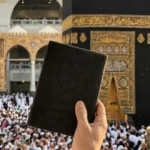 Qur'ans
 Rosary
Stages of manufacturing the Kaaba cover from beginning to installation

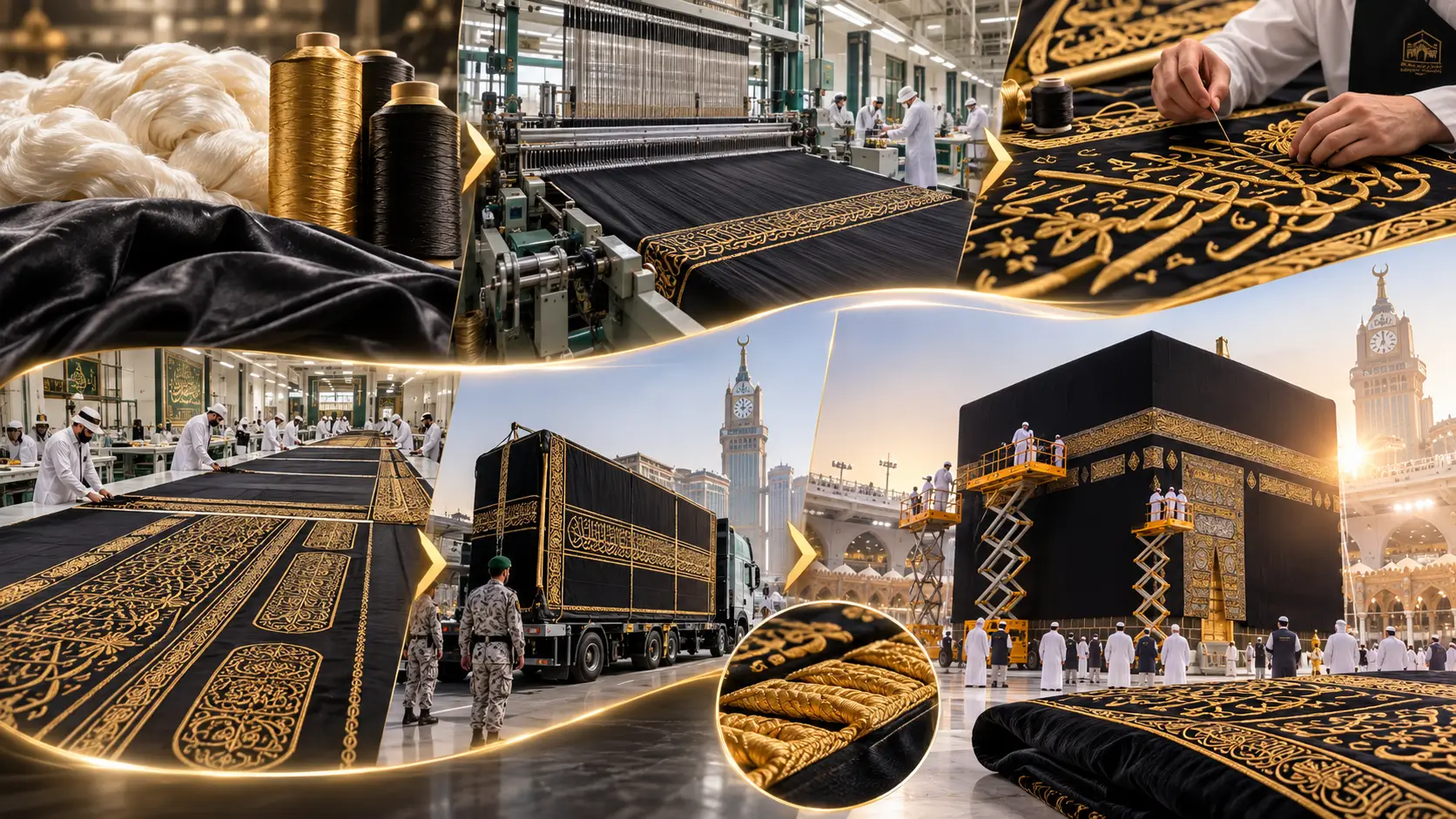
It is The covering of the Holy Kaaba One of the greatest works of Islamic art, its creation combines creativity, precision, and high craftsmanship. Each piece of the Kiswah undergoes several meticulous stages, from selecting the materials to its installation on the Holy Kaaba, to appear in a manner befitting the Sacred House of God.
In this article we review the most important stages of making the Kaaba cover, and how silk threads are transformed into one of the most magnificent Islamic artifacts.
First: Choosing natural silk
The journey of making the Kiswa begins with selecting the finest types natural silkBecause of its high quality and ability to withstand delicate dyeing and embroidery processes.
Silk undergoes several stages of inspection and preparation to ensure that the fabric is both durable and soft.
Second: Fabric dyeing
After the silk is prepared, it is dyed in the distinctive black color for which the Kaaba covering is known, taking into account the stability and quality of the color so that it maintains its splendor throughout the period of use of the covering.
Third: Designing fonts and patterns
Before starting the embroidery, the designs for the Quranic verses and Islamic motifs are prepared.
Texts are written using The clear Thuluth scriptIt is one of the most beautiful and widely used Arabic scripts in the covering of the Holy Kaaba, due to its clarity, beauty and harmony.
Fourth: Hand embroidery
This stage is one of the most delicate in the making of the Kaaba cover, as the writings and decorations are executed by hand using threads of silver plated with gold.
This work requires great experience and high precision, so that all details appear at the highest level of perfection.
Fifth: Manufacturing the various parts
After the embroidery is finished, the various parts of the covering are prepared, the most famous of which are:
- The belt of the Holy Kaaba.
- The Kaaba's veil (Al-Samadiyya).
- Embroidered lanterns.
- Other decorative elements that adorn the cladding.
Each part features a unique design and intricate patterns that reflect the beauty of Islamic art.
Sixth: Assembling the Kiswah
After all parts have been manufactured, they are assembled with extreme care to form the complete cladding, ensuring that all measurements and quality of workmanship are matched before being prepared for installation.
Seventh: Installing the covering
The installation of the Kaaba cover is one of the most important stages, as the old cover is replaced with the new cover according to the procedures followed, so that the Holy Kaaba appears in its new cover that attracts the attention of millions of Muslims from all over the world.
The splendor of Arabic calligraphy in the Kiswah
One of the most distinctive features of the Kaaba's covering is the beauty of the Arabic calligraphy used in its embroidery. The Quranic verses and Islamic phrases are written in the Thuluth script, and executed with prominent embroidery that gives the covering a unique appearance that combines art and creativity.
Why are the parts of the covering highly valued?
After the covering was replaced, some of its parts receive considerable attention due to their religious, historical, and artistic value. Among the most famous of these parts are:
- The belt.
- Al-Samadiyya (the Kaaba's veil).
- Embroidered lanterns.
- The Quran is wrapped in an original piece of the Kaaba's covering.
- The small pieces of the covering.
These artifacts are distinguished by their rarity and the precision of their craftsmanship, making them a focus of interest for collectors of Islamic artifacts.
Acquiring a piece of the Kaaba's covering
If you are looking for an authentic piece that holds historical and spiritual value, then Kaaba cover shop It offers a selection of The belt, the Samadiyya, the lamps, the Qur'an wrapped in the Kaaba's covering, and the small piecesWith each product's details clearly displayed, including the year of manufacture, dimensions, specifications, and whether the item comes with a certificate of authenticity, to give you a reliable and secure buying experience.
Conclusion
The making of the Kaaba's covering is not merely a process of weaving and embroidery; it is a craft that combines exquisite artistry, the beauty of Arabic calligraphy, and meticulous execution to produce a form befitting the holiest place on earth. For this reason, the components of the covering remain among the rarest and most precious Islamic artifacts, possessing historical, spiritual, and artistic value that endures through generations.